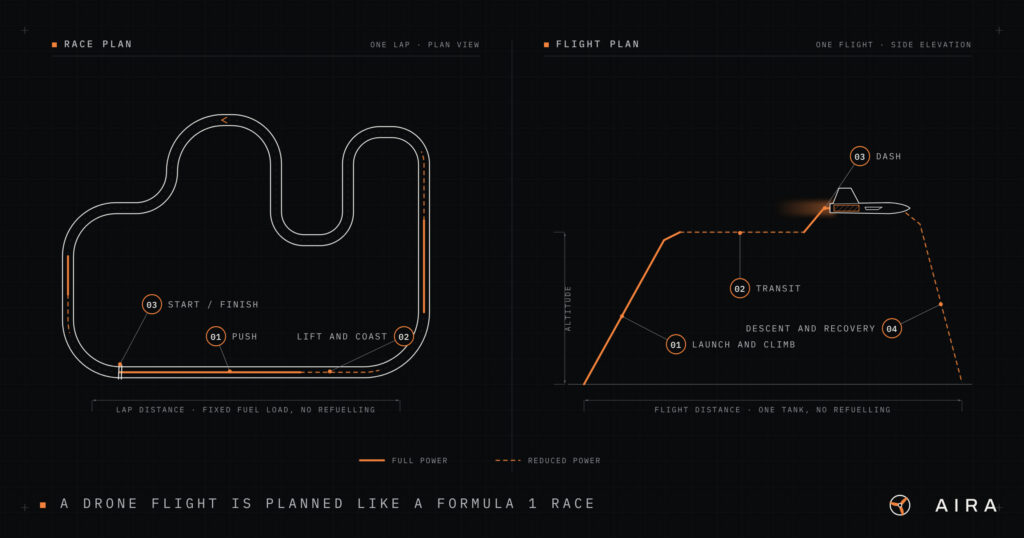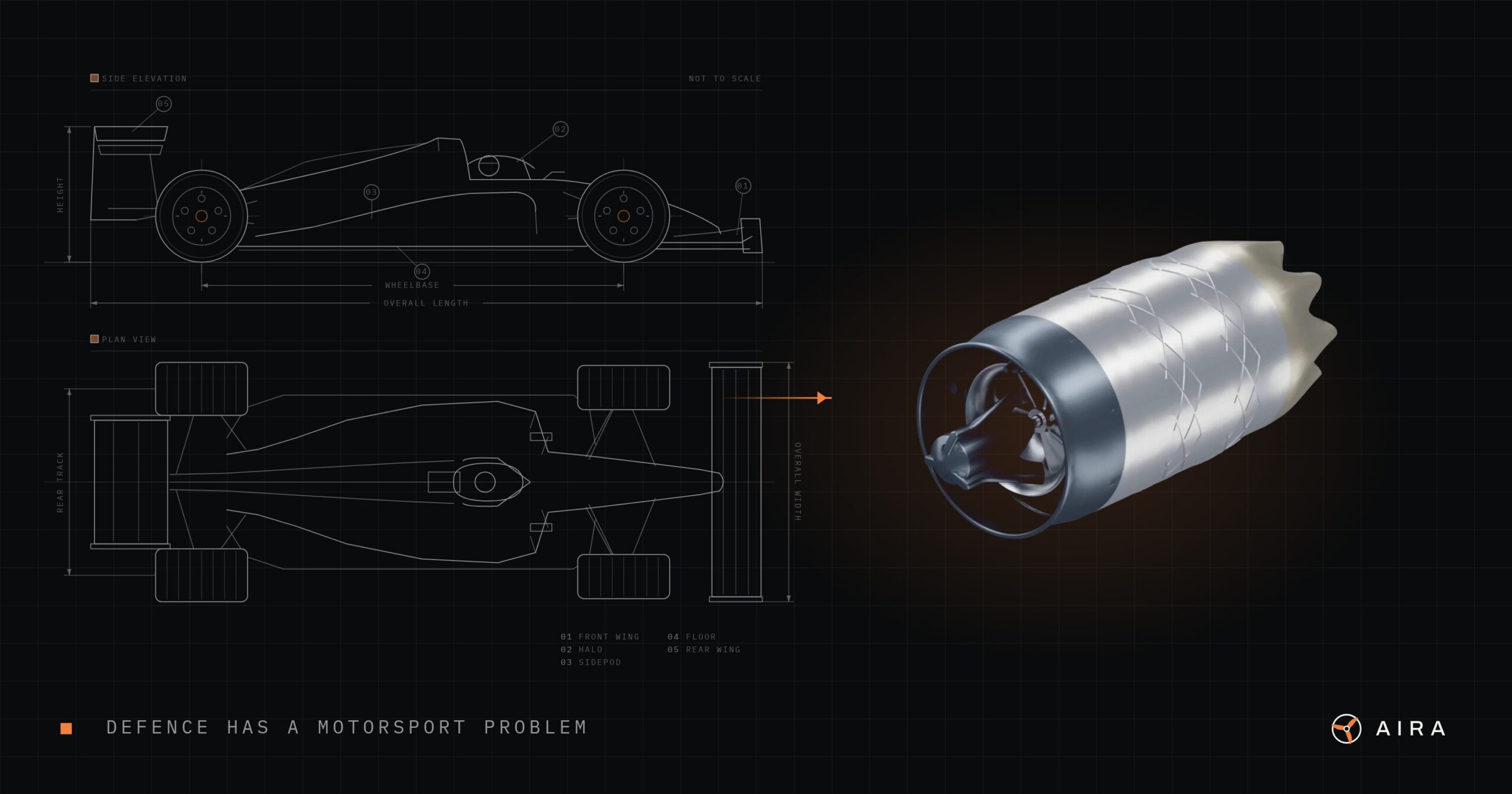
People often ask why a Formula 1 engineering company would start building jet engines. To us it never felt like a leap. It was the obvious thing to do with what we already knew.
Formula 1 pace
I spent years in Formula 1, and the thing nobody outside it quite believes is the calendar. There is a race every fortnight, and the car on the grid is never the car from the last one. A part that is two weeks late does not race. So you design it, prove it, make it and bolt it on, and by the time it has done a weekend you already know what the next one needs. That is not a philosophy. It is the only way the job gets done.
Defence has just walked into the same calendar. Its suppliers mostly have not. Drones are being designed, flown, lost and redesigned in months. The UK has sent Ukraine more than ten times the uncrewed systems it has bought for itself, and the MoD now expects a drone contract to deliver in months. A Ukrainian manufacturer has started recruiting Formula 1 engineers. They want people who already work at that speed.
An engine programme that takes years is answering last year's question. We did not have to change how we work to fit this. The pace that used to look excessive now looks like the minimum.
The gap we saw
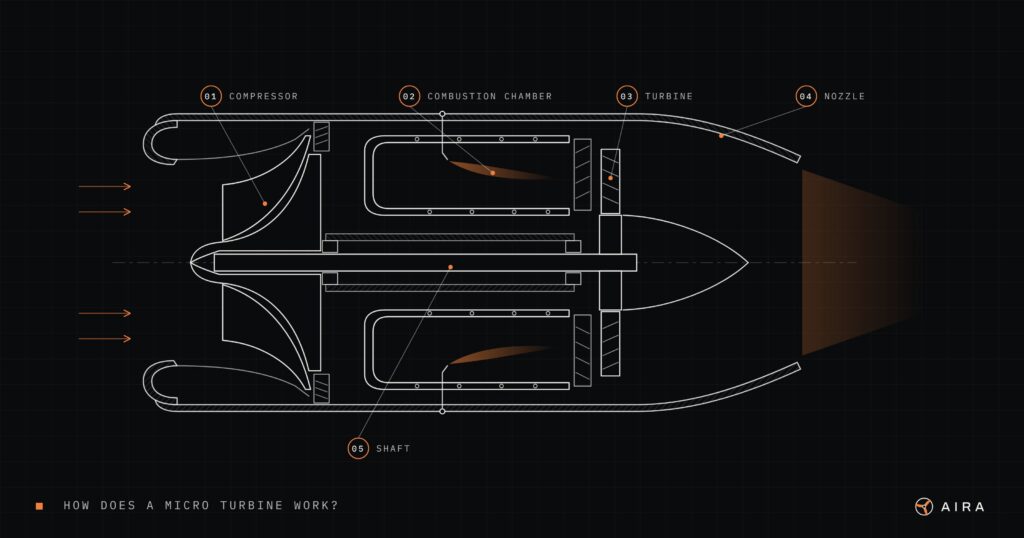
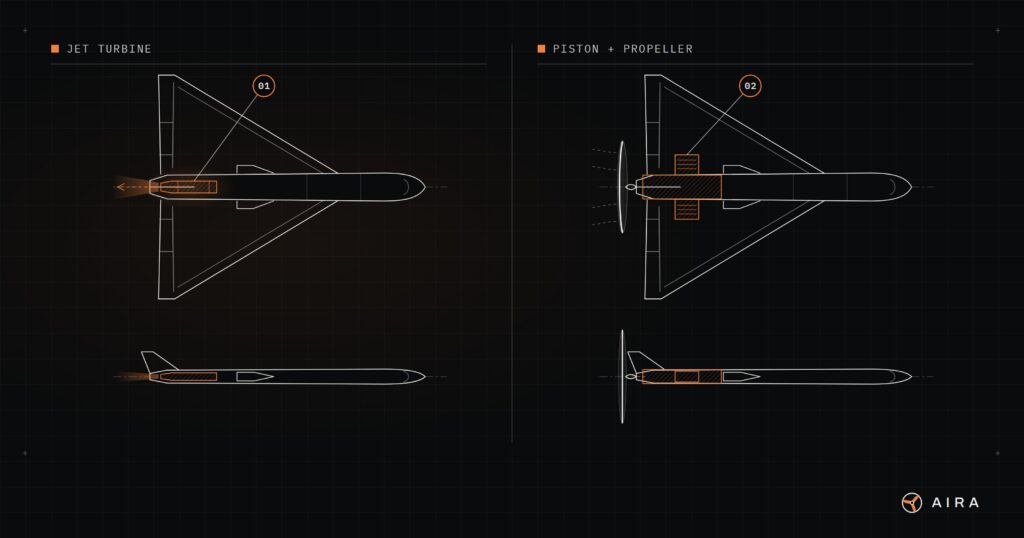
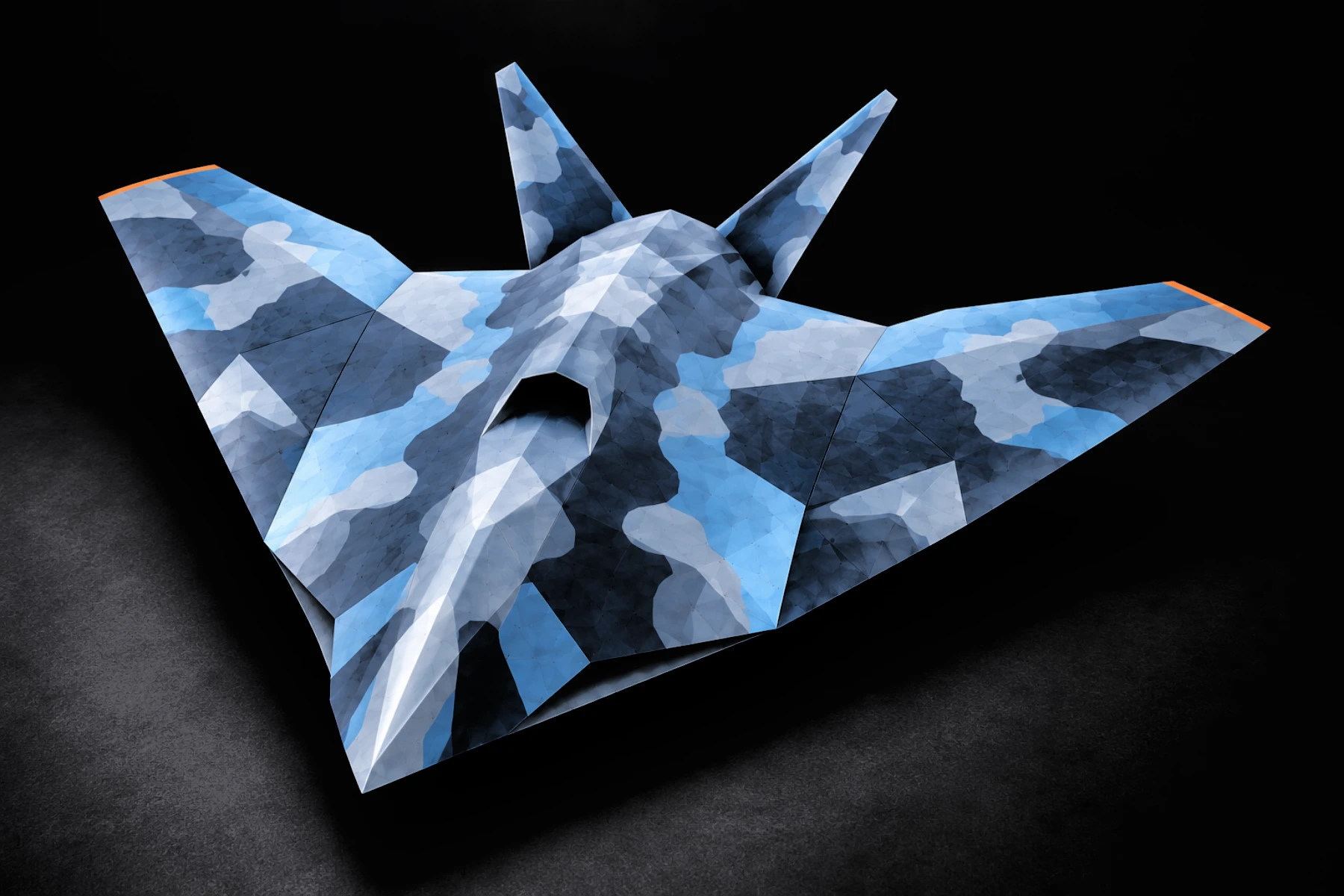
Small jet engines power target drones, long-endurance uncrewed aircraft and a growing number of new platforms. The number of airframes being designed has grown quickly, but the supply of engines to put in them has not kept up.
Most small engines are still built the traditional way, from a long list of machined parts with long lead times, and their designs change slowly. When we looked at that, we recognised the problem straight away. Here was a product that needed to be lighter, quicker to build and quicker to improve, which is exactly the work we had been doing for racing teams for years.
The engine industry has a supply problem. We have spent our careers solving problems that look a lot like it.
Why we started with combustion
The hardest part of a small gas turbine to get right is the combustor. It has to burn fuel cleanly and steadily across the whole operating range, survive very high temperatures, and still be light and compact.
We design our combustion systems specifically for 3D printing, which gives us freedom that conventional manufacturing cannot. It also means a design change can go from the screen to the test stand in weeks rather than months.
Simulate, print, test
Our work runs as one loop. We simulate a design in detail, print it, and test it on our own equipment in Bicester, and the results go straight back into the next design. Every turn of the loop is shorter than the last, and every turn makes the next engine better.
It is how we worked in Formula 1: one team, and nobody waiting on anybody else to find out whether an idea works.
Where the AIR300 fits
The AIR300 is the first engine to come out of that loop: a small turbojet with a 3D-printed combustor, designed for uncrewed aircraft and built and tested here in Bicester. We will share more about it soon. If you would like the full details now, you can request the datasheet.
Still the same team
We have not stopped doing the engineering work that started the company. We still take on client projects across motorsport, aerospace, automotive and more, from a single analysis to a full programme, and the engine work and the client work share the same approach. Each makes the other better.
What comes next
We will use this page to share what we are working on: engine development, our combustion research, and the engineering we are allowed to talk about. If you are developing an aircraft that needs propulsion, or you have a problem that needs the kind of engineering we do, get in touch. We would like to hear about it.
Alex AdamouCo-Founder and Director of R&D, Aira Technology