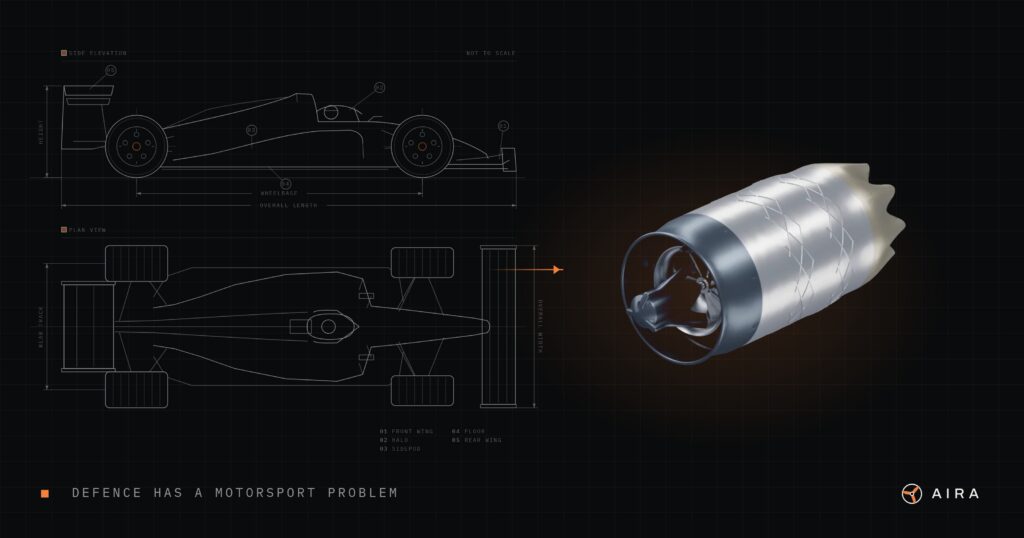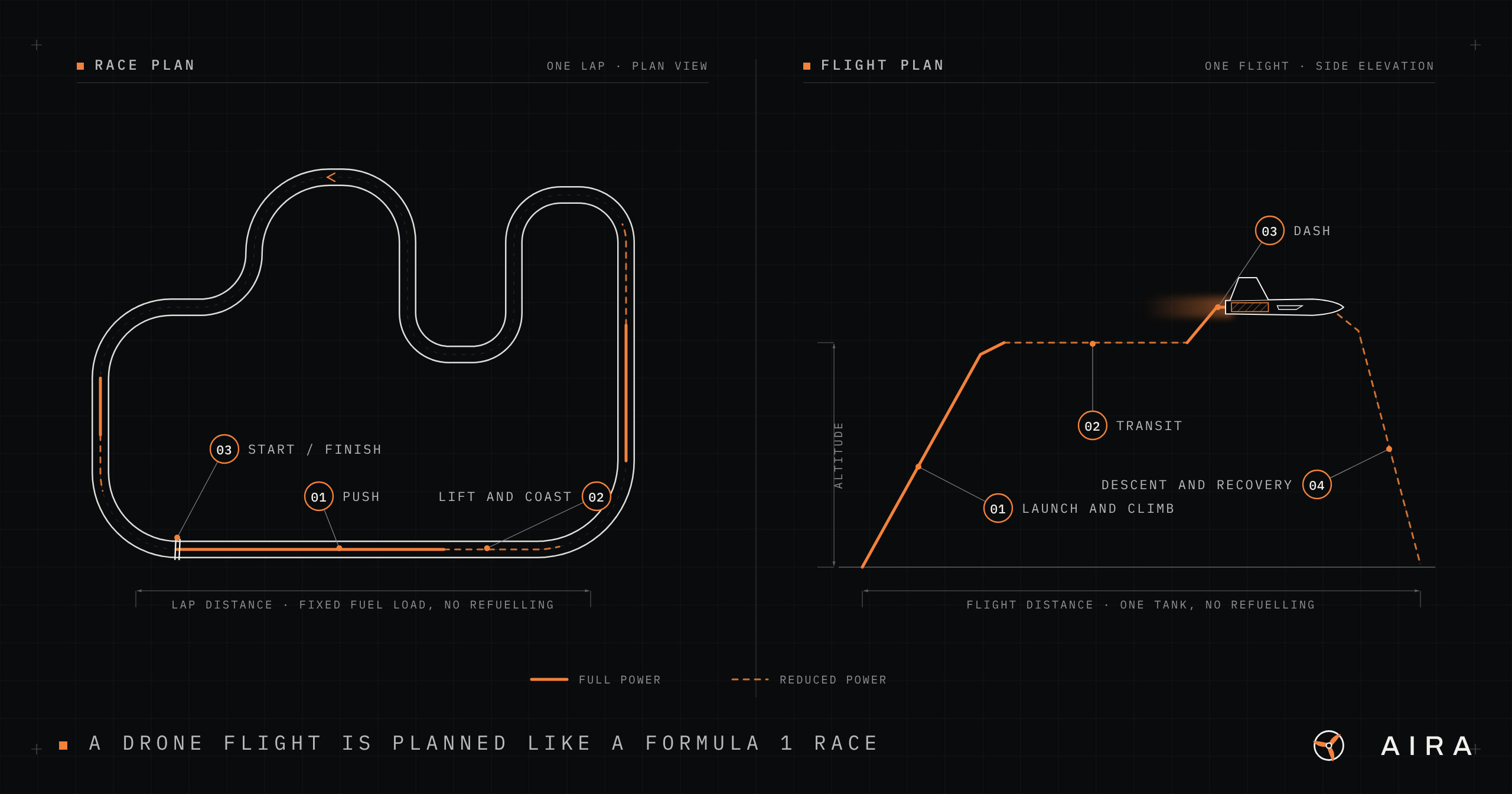
Before a Formula 1 car leaves the garage, the race has already been planned around its fuel. The car carries a set amount, around 70 kg under the 2026 rules, and nobody can top it up. The engineers give the driver a fuel number for each lap and the driver manages to it: full throttle where it gains lap time, an early lift into the slow corners where it costs almost none.
A drone's flight is planned on the same basis. One tank has to last the whole flight, so the route is drawn around where the fuel goes. What follows is how that works, and what it asks of the engine.
The legs of a flight
A flight path looks like a line on a map. For the engine it is a sequence of jobs. Launch and climb take the most thrust. Transit is a long run at a steady setting. Then, depending on the mission, a loiter at low power or a dash at full thrust, and finally the descent and recovery.
Each leg is costed in fuel, a reserve goes on top, and the aircraft carries the total. On a small jet-powered aircraft that is often a third or more of what it weighs at take-off. The leg that runs longest, usually the transit, takes most of it, so a small saving there is worth more than a large one anywhere else.

Weight
An aircraft has a maximum take-off weight, and the airframe, fuel, payload, sensors and engine all have to fit under it. With the fuel already taking a third, every kilogram of engine is a kilogram that is not payload or range. A heavier engine shortens the flight or lightens the load before it has produced any thrust, which is why an engine is judged on its weight almost as closely as on its thrust.
How long the aircraft has to last
Some aircraft fly hundreds of sorties and are maintained between them. Some fly once. If the aircraft is coming back, the planner keeps margin in hand and runs the engine well inside its limits, because it has to do it all again next week. If it is not, everything on board can be used up on the one flight, including the engine, so it can be built lighter and cheaper and flown harder. The two call for different engines: one designed to last, one designed to be used up.
The wing
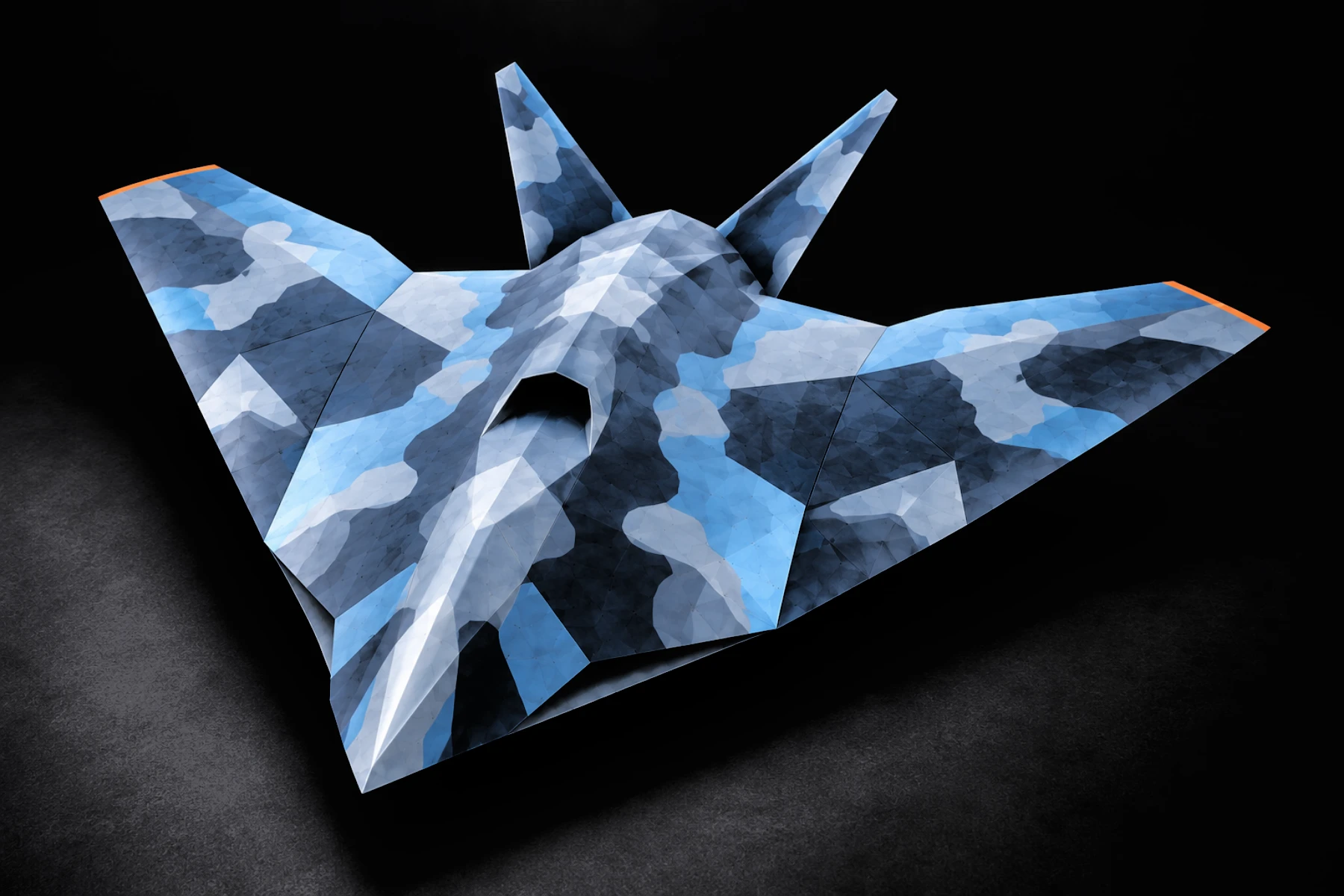
The wing is chosen on the ground and the aircraft flies the whole mission with it. A long, high-lift wing keeps a slow aircraft airborne on very little power, which suits a long loiter. A short wing has less drag at high speed, which is what a dash needs, but it has to be flown faster to stay airborne, so it needs more thrust at the low end. It is why a loitering aircraft and a target drone look so different. Whichever wing it is, the drag at the planned speed is set by that choice, and the engine has to overcome it for the whole transit leg.

What the engine decides
Inside those constraints, the engine sets what the planner has to work with.
Thrust decides how much the aircraft can carry and how steeply it climbs. Once level, the aircraft only needs enough to match the drag, so the climb is where the thrust is really spent.
Fuel burn at a steady setting decides range as much as anything else on the aircraft. A turbine burns least fuel per unit of thrust near the top of its range and gets thirstier as it is throttled back, so the transit setting is chosen with care rather than simply set as low as it will go.
How long the engine takes from a cold start to usable thrust decides how quickly the aircraft can be launched.
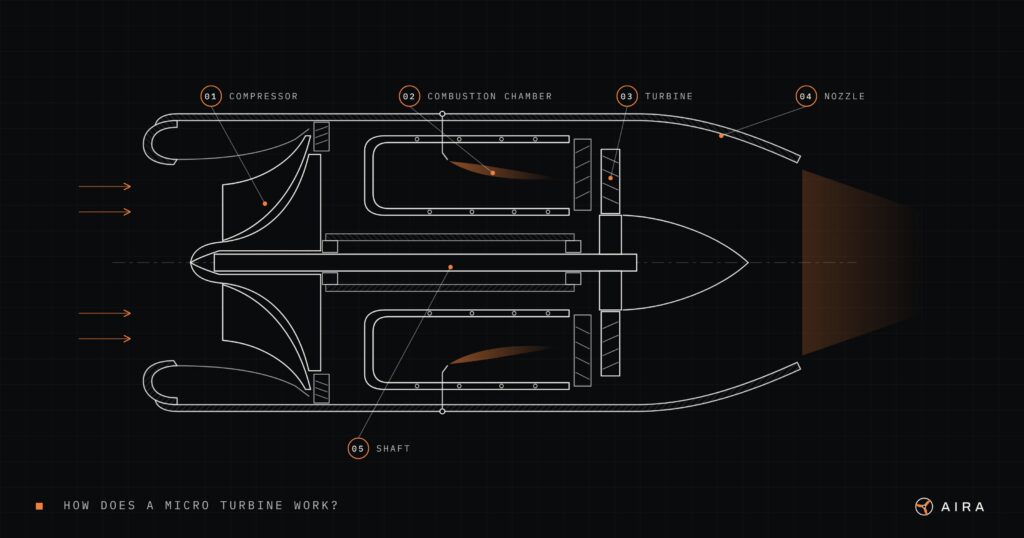
Throttle response gets less attention than it should. A small turbine needs a few seconds to come up from idle to full thrust, because the rotating assembly has to spin up before the thrust arrives. If the engine is slow to respond, the planner has to build in a margin for it, and that margin comes out of fuel, distance or payload. An engine that responds cleanly lets each leg be flown closer to what the airframe can actually do.
Jet or propeller
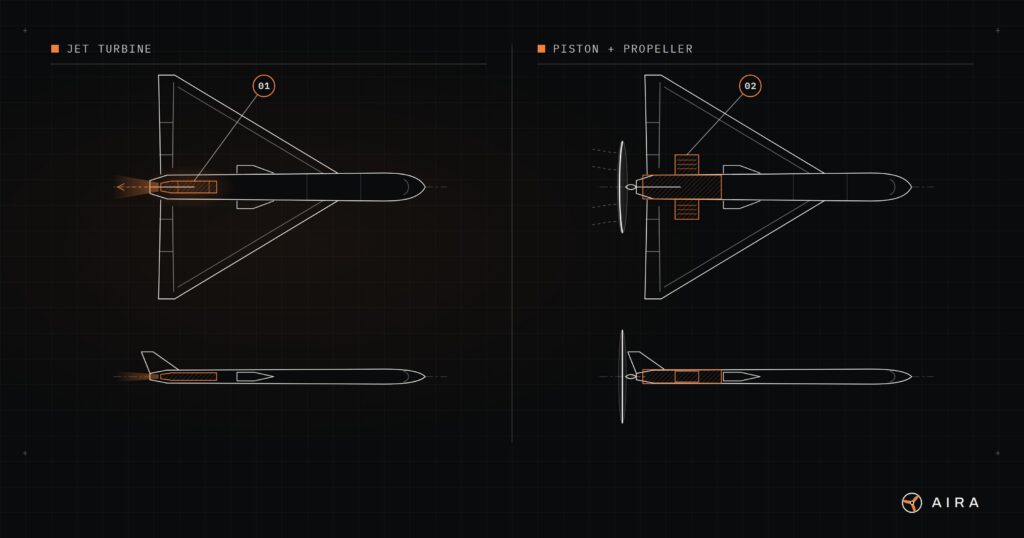
For many aircraft a piston engine and a propeller is still the right choice. At low speed it burns far less fuel, and nothing else comes close for a slow aircraft that has to stay up for hours. A small jet turbine suits a faster transit and a real dash at the end. We have written about when each one is the right choice.
What the engine has to do
The engine is one of the things the whole plan is built around. It has to give full power when asked, use as little fuel as possible the rest of the time, and it has to be light.
The AIR300 is our 300 N-class turbojet for uncrewed aircraft, built in Bicester. If you are planning an aircraft and want to talk through what the engine means for the flight, get in touch.
Alex AdamouCo-Founder and Director of R&D, Aira Technology